Get Livestock Fencing Installation in St Louis, MO
Livestock fencing installation services help property owners in St. Louis, MO, and nearby areas by providing durable enclosures for livestock, horses, or pets, preventing escapes and protecting land.
Livestock fencing installation is a practical consideration for property owners in St. Louis, MO, seeking to secure their land and manage their animals effectively. Whether establishing boundaries for grazing, preventing wildlife from entering, or creating safe enclosures, having a reliable fence can enhance property management and animal safety. Exploring local contractors who specialize in fencing can help ensure the project aligns with the specific needs of the land and livestock, providing peace of mind that the installation will be durable and functional.
Property owners interested in fencing solutions often compare options from nearby service providers to find the best fit for their project. Planning a fencing installation involves considering factors such as terrain, fencing materials, and long-term maintenance. Connecting with experienced local contractors can help clarify these considerations, making it easier to choose the right approach for their property in St. Louis, MO. Keep reading to learn more about how to find the right fencing services for your needs.
- Livestock fencing installation - needed when setting up secure boundaries for farms or ranches in rural areas around St Louis, MO.
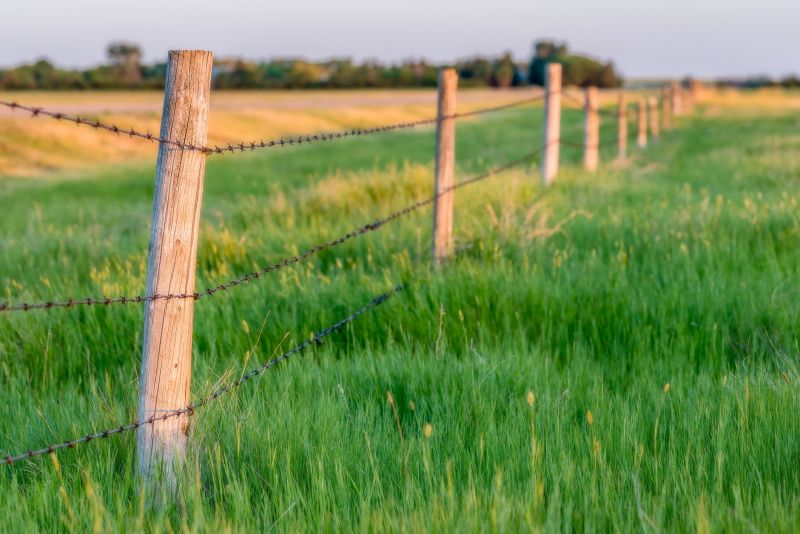
- Barbed wire fencing - suitable for farmers in neighborhoods like Chesterfield or Kirkwood seeking to contain livestock or protect property.
- Wooden fencing - ideal for rural properties in areas like Webster Groves that require privacy and aesthetic appeal.
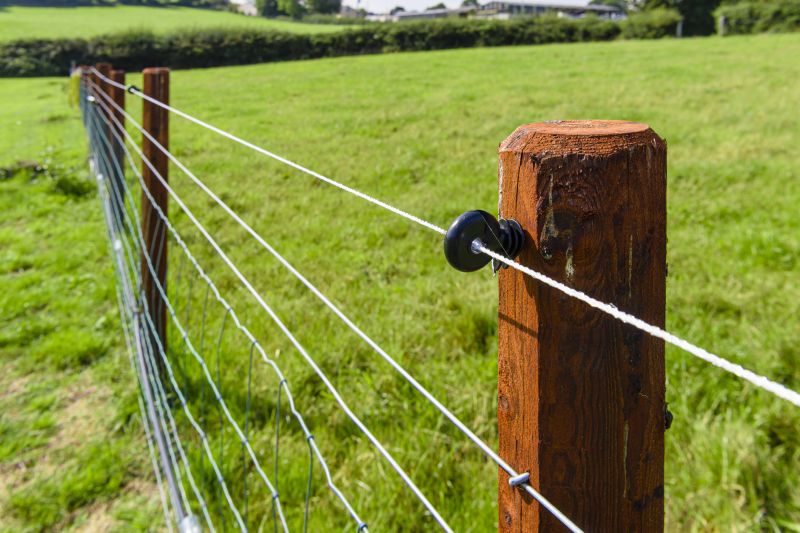
- Electric fencing - used by livestock owners in regions around St Louis, MO to safely manage grazing animals.
- Chain-link fencing - often chosen by commercial or agricultural clients in nearby communities needing durable livestock enclosures.
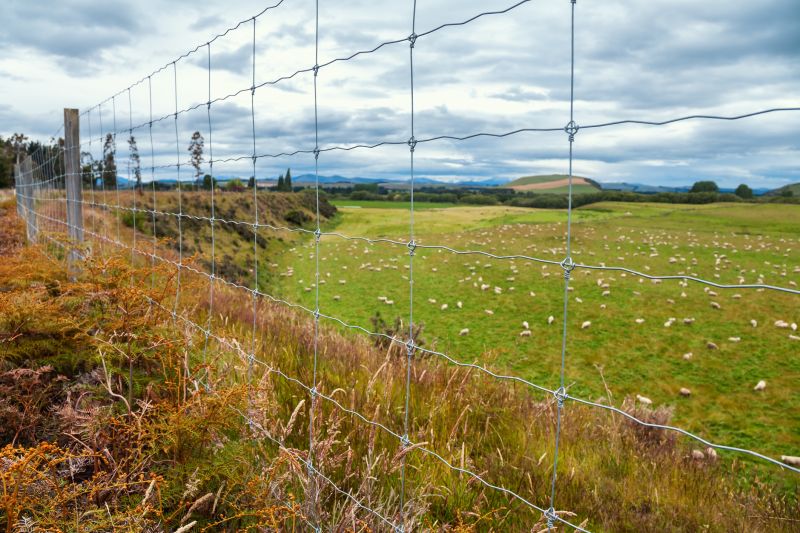
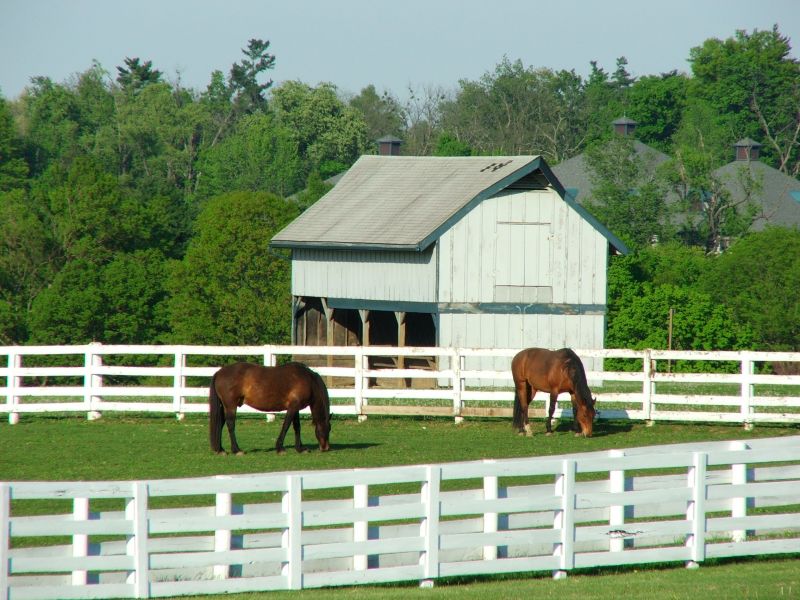
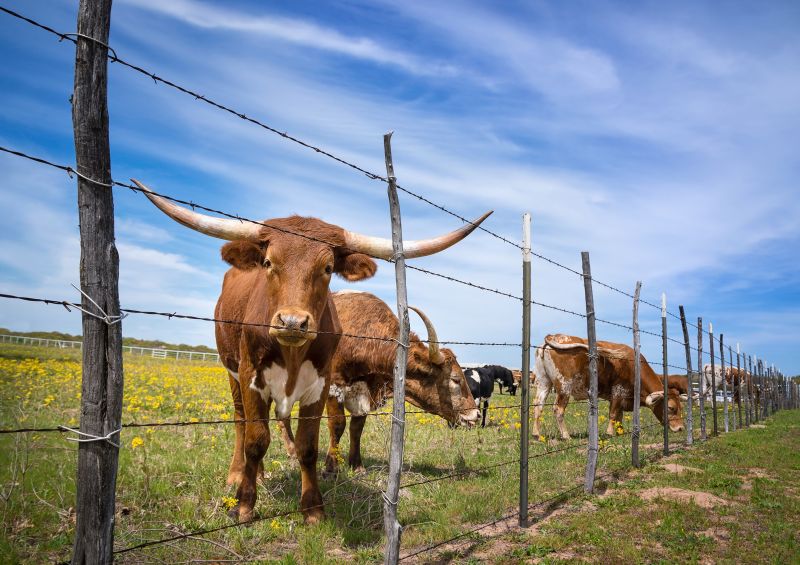
Livestock fencing installation involves setting up sturdy barriers around property boundaries or designated areas to contain animals such as cattle, horses, goats, or sheep. This service typically includes selecting appropriate fencing materials, preparing the land, and securely installing posts and fencing panels to create a reliable enclosure. Proper installation ensures that livestock remain safely within designated spaces, reducing the risk of animals wandering off or encountering hazards outside the property.
One of the primary reasons property owners seek livestock fencing is to address issues related to animal containment and safety. Without adequate fencing, animals can escape, leading to potential injuries, property damage, or safety concerns for both animals and people. Fencing also helps prevent unwanted trespassing by predators or other animals, which can threaten livestock health. Additionally, well-installed fencing can define property lines clearly, minimizing disputes with neighbors and maintaining a neat, organized appearance.
Fencing services are often used on farms, ranches, and large rural properties, but they can also be beneficial for smaller residential properties that house livestock or pets. Properties with pastures, open fields, or horse boarding facilities frequently require durable fencing solutions to accommodate their specific needs. Whether for keeping animals contained or creating separate zones for different types of livestock, these fencing systems are designed to withstand outdoor conditions and regular use.
Homeowners and property managers who are planning to introduce livestock or improve existing enclosures may find fencing installation essential. It’s also a practical upgrade for those who have experienced issues with animals escaping or encountering safety hazards. Local contractors specializing in livestock fencing can assess the property’s layout, recommend suitable fencing options, and ensure the installation is secure and long-lasting. Contacting experienced service providers can help ensure the fencing meets the specific needs of the property and its animals.
The overview below groups typical Livestock Fencing Installation projects into broad ranges so you can see how smaller, mid-sized, and larger jobs often compare in St Louis, MO.
In many markets, a large share of routine jobs stays in the lower and middle ranges, while only a smaller percentage of projects moves into the highest bands when the work is more complex or site conditions are harder than average.
Smaller Repairs - Typical costs for minor fencing repairs or modifications in the St Louis area range from $250 to $600. Many routine jobs fall within this middle range, depending on the size and material of the fence. Fewer projects tend to push into the higher end of this spectrum.
Standard Fence Installation - Installing a new livestock fence usually costs between $1,500 and $4,000 for most residential properties around St Louis. Local contractors often handle these projects within this range, though larger or more complex setups can cost more.
Full Fence Replacement - Replacing an entire livestock fencing system can range from $4,000 to $8,000 or more, depending on the length and type of materials used. Many projects in this category are in the middle to upper part of this range, with larger farms incurring higher costs.
High-Quality or Custom Fencing - Premium fencing options or extensive custom installations in the St Louis area can exceed $8,000, especially for large-scale or intricate designs. While fewer projects reach this level, local service providers can accommodate these specialized needs.
Actual totals will depend on details like access to the work area, the scope of the project, and the materials selected, so use these as general starting points rather than exact figures.
Fence Repair and Replacement - Local contractors skilled in livestock fencing often handle repairs and replacements of existing fences to ensure durability and safety for animals.
Pasture and Field Clearing - Clearing overgrown vegetation and preparing land for fencing installation involves similar planning and land management skills.
Gate and Access Control Installation - Installing gates and access points requires knowledge of fencing materials and secure fastening techniques used in livestock enclosures.
Agricultural Fencing Projects - Projects involving crop protection or perimeter fencing share the same tools and planning as livestock fencing installation.
Erosion Control and Soil Stabilization - Techniques for stabilizing soil and managing land contours complement fencing projects in rural and farm settings.
Barn and Shelter Construction - Building structures for livestock involves similar site preparation and framing skills as fencing installation in rural areas.
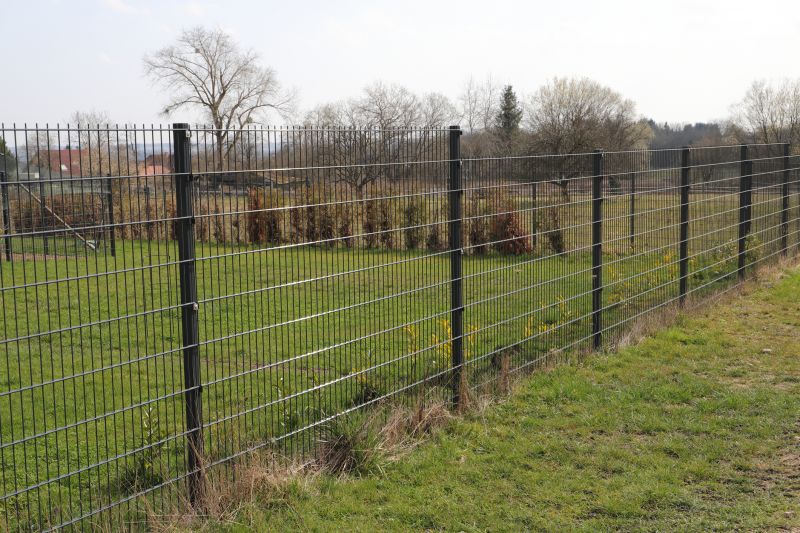
When evaluating livestock fencing installation services in the St. Louis area, it’s important to consider the experience of local contractors with similar projects. Homeowners should inquire about how long potential service providers have been working on fencing for agricultural or livestock purposes and whether they have completed projects comparable in size and scope. A contractor’s familiarity with the specific needs of livestock fencing, such as material selection and terrain considerations, can influence the quality and durability of the finished work. Gathering information about their past work can help determine if they have the practical knowledge necessary to handle the unique challenges of livestock fencing installation.
Clear written expectations are essential for ensuring that both homeowners and service providers understand the scope of work, materials to be used, and the responsibilities involved. When comparing local contractors, it’s beneficial to request detailed written proposals or estimates that outline the project specifications. This documentation helps prevent misunderstandings and provides a reference point throughout the project. Homeowners should look for providers who are transparent about their process and willing to communicate expectations clearly, making it easier to assess whether the contractor’s approach aligns with the project’s needs.
Reputable references and effective communication are key indicators of a reliable livestock fencing installer. Homeowners are encouraged to ask potential service providers for references from previous clients, especially those who had similar fencing projects. Speaking with past customers can reveal insights into the contractor’s professionalism, reliability, and quality of work. Additionally, good communication-such as prompt responses to questions and willingness to discuss project details-can make the entire process smoother. Connecting with local service providers who prioritize clear, ongoing communication and have positive references can lead to a more successful fencing project tailored to the specific needs of the property.
Property owners in St Louis, MO use Livestock Fencing Installation services for practical projects around their homes and businesses. This guide focuses on everyday jobs and straightforward project options.
Livestock fencing installation is a common need for property owners in St. Louis, MO, especially those with farms, ranches, or large outdoor spaces. Many landowners seek to install or upgrade fences to keep livestock safely contained, prevent unwanted animals from entering, or define property boundaries clearly. Whether setting up a new pasture or replacing aging fencing, local contractors can provide the expertise needed to ensure the job is done properly and efficiently.
In addition to agricultural uses, fencing can also serve residential properties where owners want to create secure areas for pets or children, or to add privacy and boundary markers. Property owners often turn to experienced local service providers for these projects, as they understand the specific needs of the area and can help select the right fencing materials. Connecting with local fencing specialists makes it easier to find solutions tailored to individual property requirements.
What types of fencing materials do local contractors install for livestock? Local service providers typically install a variety of fencing materials such as wood, wire, vinyl, and electric fencing to suit different livestock needs and property requirements.
Can local contractors help with fencing for different types of livestock? Yes, local pros can install fencing suitable for a range of livestock including cattle, horses, sheep, and goats, ensuring the fencing is appropriate for the animals' size and behavior.
What factors should be considered when choosing livestock fencing? Important factors include the type of livestock, terrain, property size, and durability requirements, which local contractors can help evaluate to recommend suitable fencing options.
Do local service providers handle fencing installation on uneven or challenging terrains? Many local contractors are experienced in installing livestock fencing on various terrains, including sloped or rocky areas, to ensure secure and effective enclosures.
What steps are involved in the livestock fencing installation process? The process generally involves site assessment, selecting appropriate materials, preparing the land, and installing the fencing system, all managed by local service providers with expertise in livestock enclosures.
Farm Enclosure Ideas - Local contractors can install fencing to keep livestock safely contained within pastures or designated grazing areas.
Pet and Livestock Safety - Property owners can have fences installed to prevent pets or animals from wandering into roadways or neighboring properties.
Garden and Crop Protection - Fencing services can help create barriers around vegetable gardens or orchards to deter animals from causing damage.
Property Boundary Definition - Fencing can be used to clearly mark property lines and enhance privacy around residential or rural properties.
If you are thinking about Livestock Fencing Installation for a property in St Louis, MO, this guide is meant to help you understand the work, the typical project types, and how different options might fit your plans.
When you are ready, you can use the quote form on this page to share a few details about your project. From there, local pros can review the basics and respond with options that match what you have in mind.